Upcycled Fashion: The Future of Sustainable Style
- radicallyrepurpose
- Mar 21
- 4 min read

In a world increasingly aware of the environmental impact of fast fashion, upcycled fashion has emerged as a beacon of hope. This innovative approach not only reduces waste but also encourages creativity and individuality in style. As consumers become more conscious of their purchasing decisions, upcycled fashion is paving the way for a sustainable future in the clothing industry.
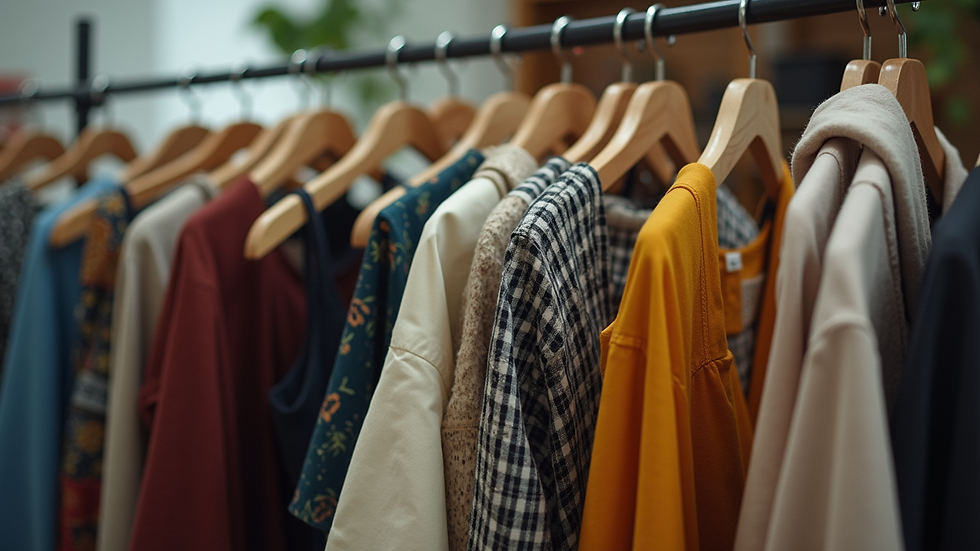
Understanding Upcycled Fashion
Upcycled fashion refers to the process of transforming old or discarded clothing and materials into new, stylish garments. Unlike recycling, which often breaks down materials to create something entirely new, upcycling retains the original fabric and structure, giving it a second life. This practice not only minimizes waste but also reduces the demand for new resources.
The Environmental Impact
The fashion industry is one of the largest polluters in the world. According to the United Nations, it accounts for about 10% of global carbon emissions. By embracing upcycled fashion, we can significantly reduce this impact. Here are some key environmental benefits:
Waste Reduction: Upcycling diverts textiles from landfills, where they can take years to decompose.
Resource Conservation: It reduces the need for new materials, conserving water and energy used in production.
Lower Carbon Footprint: By reusing existing materials, upcycled fashion generates fewer emissions compared to traditional manufacturing processes.
The Rise of Upcycled Fashion
The rise of upcycled fashion can be attributed to several factors, including increased awareness of environmental issues and a growing desire for unique, personalized clothing. Here are some trends driving this movement:
Consumer Demand for Sustainability
Today's consumers are more informed than ever. They seek brands that align with their values, particularly regarding sustainability. A survey by McKinsey & Company found that 67% of consumers consider the use of sustainable materials when making a purchase. This shift in consumer behavior has prompted many brands to explore upcycling as a viable option.
The Influence of Social Media
Social media platforms have played a crucial role in popularizing upcycled fashion. Influencers and fashion enthusiasts showcase their unique finds and DIY projects, inspiring others to embrace sustainable style. The hashtag #upcycledfashion has gained traction, with thousands of posts highlighting creative transformations of old garments.
Innovative Designers
Many designers are now incorporating upcycling into their collections. Brands like Reformation and Eileen Fisher have made significant strides in promoting sustainable practices. They not only create stylish pieces but also educate consumers about the importance of upcycling and sustainable fashion.
How to Embrace Upcycled Fashion
Embracing upcycled fashion doesn't require a complete wardrobe overhaul. Here are some practical steps to incorporate this sustainable style into your life:
Thrift Shopping
Thrift stores and vintage shops are treasure troves for upcycled fashion. Look for unique pieces that can be easily transformed or styled in new ways. Here are some tips for successful thrift shopping:
Be Open-Minded: Look beyond the current trends and consider how you can personalize items.
Check for Quality: Inspect garments for wear and tear. High-quality fabrics can withstand alterations.
Think Creatively: Consider how you can mix and match pieces to create new outfits.
DIY Upcycling Projects
If you're feeling crafty, consider taking on some DIY upcycling projects. Here are a few ideas to get you started:
Transform Old Jeans: Turn a pair of worn-out jeans into a stylish tote bag or a trendy pair of shorts.
Revamp T-Shirts: Cut and sew old t-shirts into a unique dress or a fashionable crop top.
Accessorize: Use fabric scraps to create headbands, scrunchies, or jewelry.
Support Upcycled Brands
Many brands specialize in upcycled fashion, offering unique pieces that tell a story. By supporting these businesses, you contribute to a more sustainable fashion industry. Some notable brands include:
Patagonia: Known for its commitment to sustainability, Patagonia offers a range of upcycled products.
MUD Jeans: This brand focuses on circular denim, allowing customers to return old jeans for recycling.
Re/Done: Specializing in vintage denim, Re/Done breathes new life into classic styles.
The Future of Upcycled Fashion
As the fashion industry continues to evolve, upcycled fashion is poised to play a significant role in shaping its future. Here are some trends to watch:
Increased Collaboration
Expect to see more collaborations between designers and upcycling initiatives. These partnerships can lead to innovative collections that blend style with sustainability. For example, brands may team up with local artisans to create limited-edition pieces from discarded materials.
Technological Advancements
Advancements in technology are making it easier to upcycle materials. Innovations in fabric recycling and digital design tools allow for more efficient processes. This means that upcycled fashion can become more accessible and mainstream.
Education and Awareness
As awareness of sustainable fashion grows, educational initiatives will become more prevalent. Workshops, online courses, and community events can help individuals learn about upcycling techniques and the importance of sustainable practices.
Conclusion
Upcycled fashion represents a shift towards a more sustainable and creative approach to style. By embracing this movement, we can reduce waste, conserve resources, and express our individuality. Whether through thrift shopping, DIY projects, or supporting upcycled brands, there are countless ways to incorporate sustainable fashion into our lives. As we move forward, let’s champion upcycled fashion as a vital part of the future of style.
By making conscious choices, we can contribute to a healthier planet and inspire others to do the same. So, why not start today? Explore your local thrift store, get creative with your wardrobe, and join the upcycled fashion revolution.


Comments